

Exhibition on the Palacio Provincial de Segovia
Medicines and Remedies on the First Circumnavigation by Magellan and Elcano
Press Release Summary:
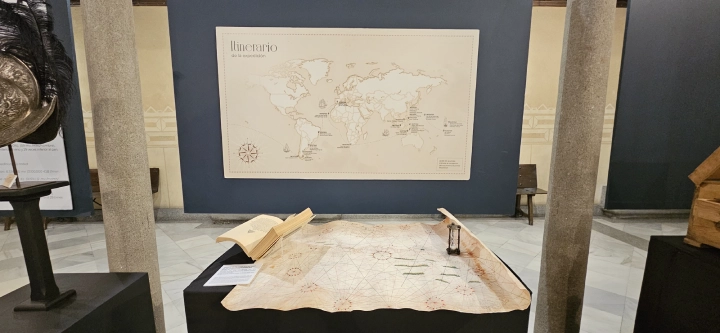
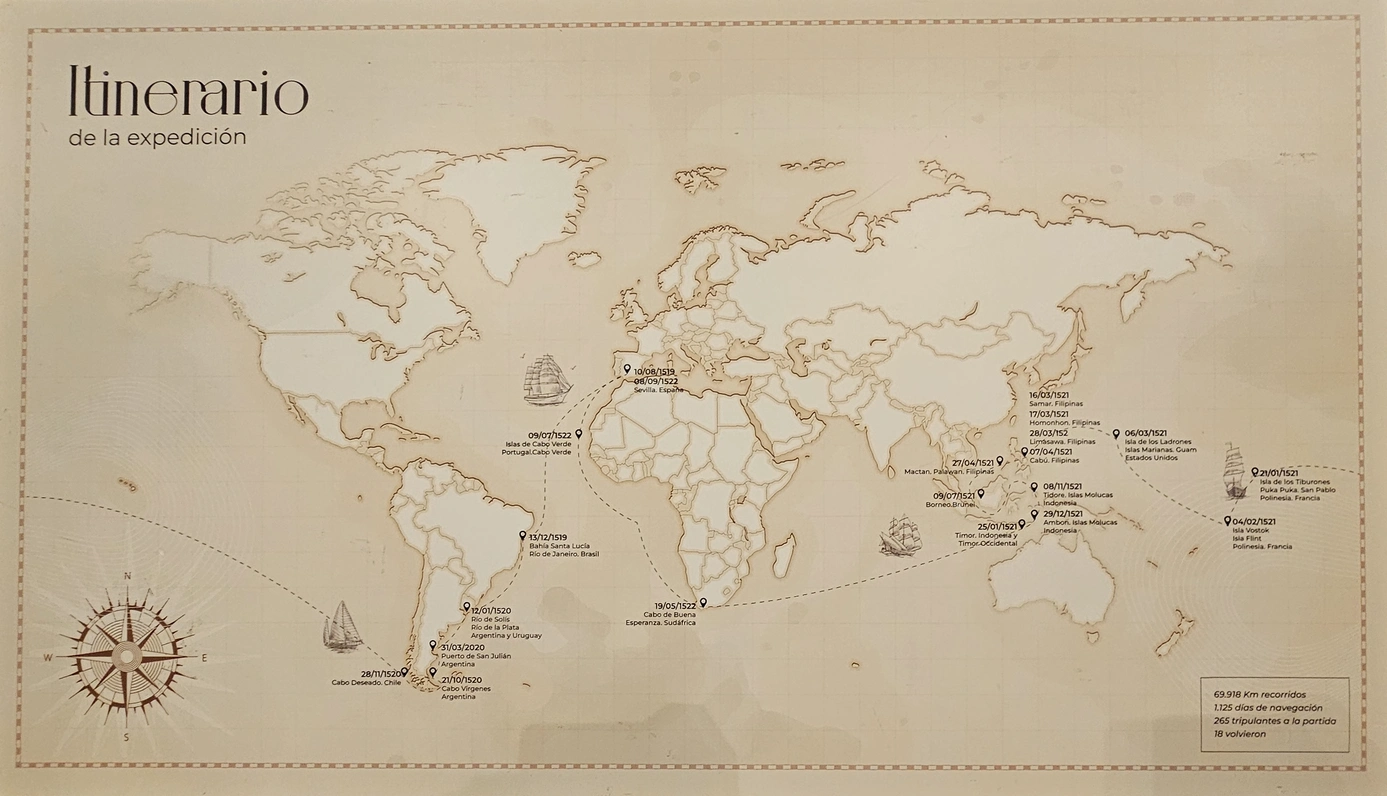
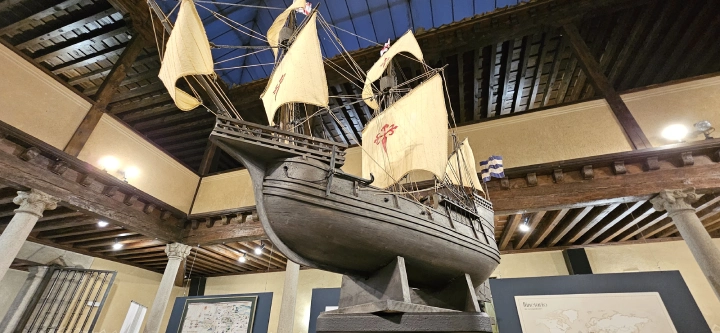
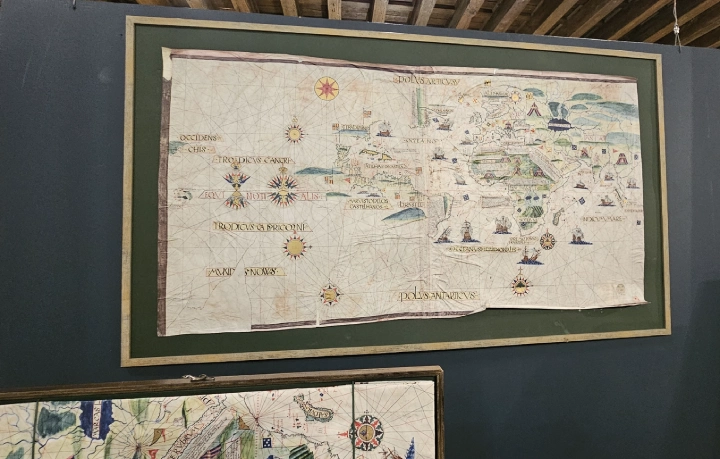
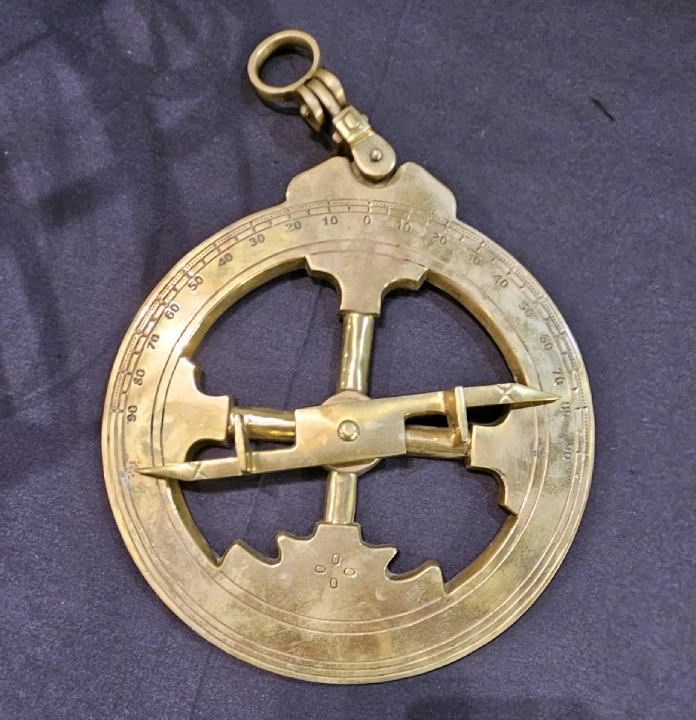
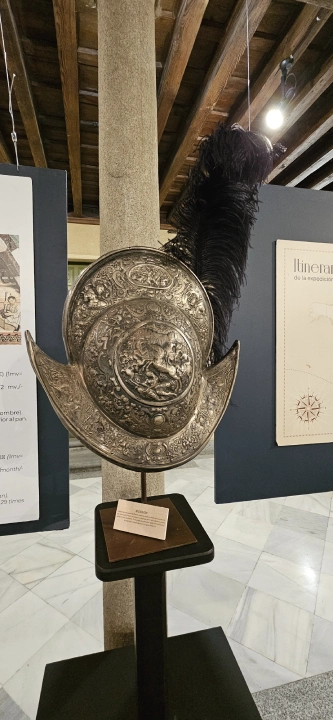
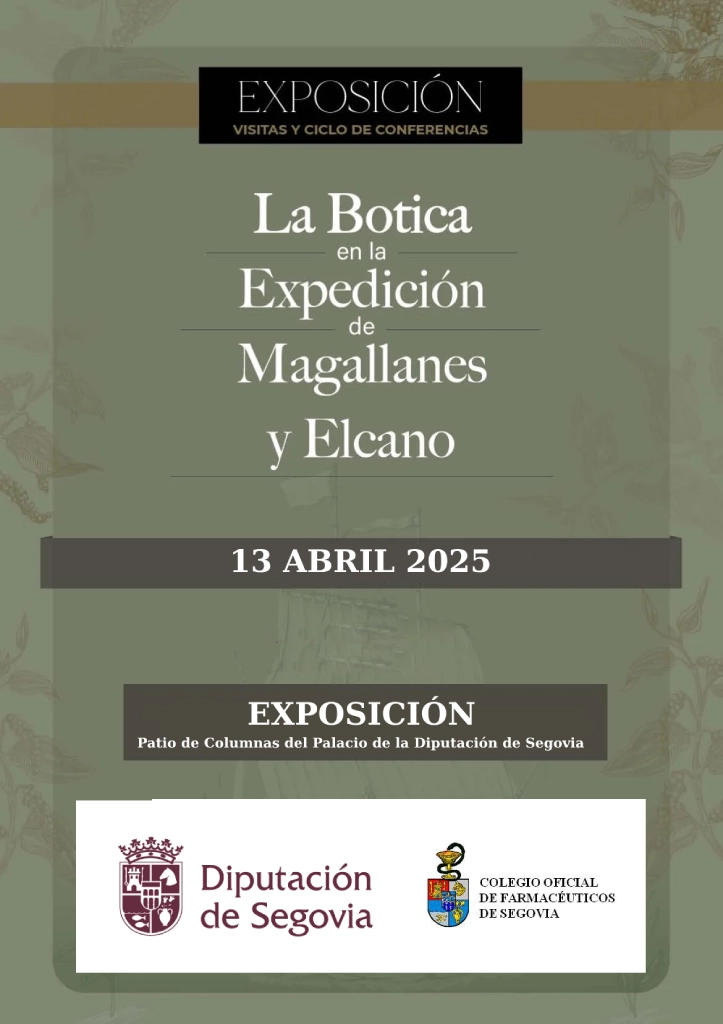
Last March, the Provincial Council of Segovia hosted the travelling exhibition on “The Apothecary in the Expeditions of Magellan and Elcano” and its connection to Pedrarias Dávila, in the palace located in the centre of Segovia.
The exhibition was organised in collaboration with this institution and the Official College of Pharmacists of Segovia.
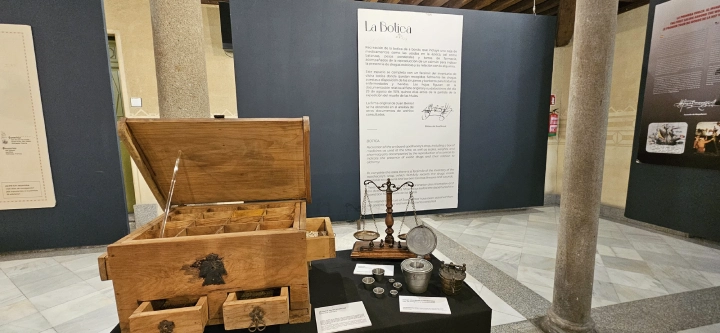
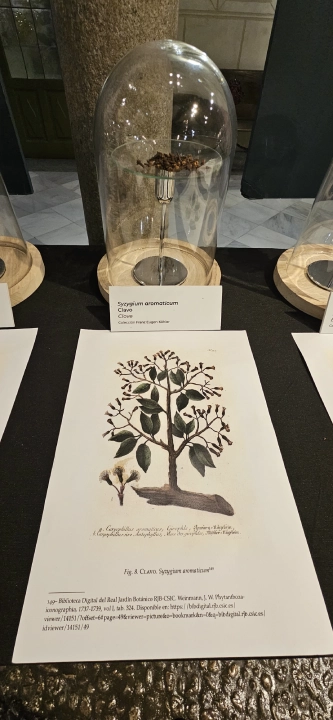
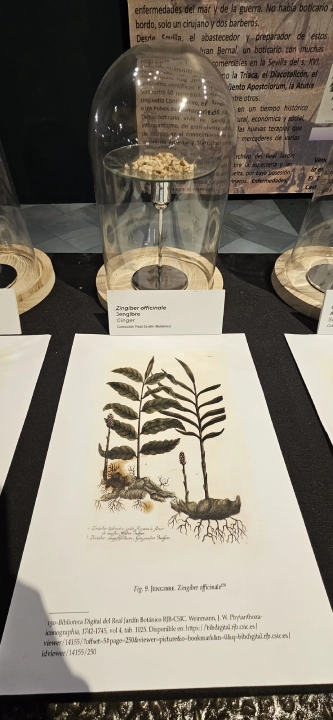
Mainly curated by Dr Cecilio J. Venegas and Dr Antonio Ramos, both PhDs in Pharmacy, the initiative includes a recreation of the remedies carried aboard the ships that undertook the expedition. These included comforting ointments, atutía (zinc oxide salve), and diamargariton powders, along with the tools used by apothecaries such as balances, preparation boxes, mortars, albarelos (ceramic jars), among others. The display also featured the spices brought back by the brave explorers—those who survived a journey that would become a revolutionary milestone in world history. Such spices included nutmeg, saffron, black pepper, sandalwood, ginger, and cinnamon.
The key figure and narrative thread of the exhibition was the Sevillian apothecary Juan Bernal, who was responsible for overseeing the loading of these supplies onto the five ships, which carried up to sixty different types of medicines.
Source: Link
In the shadows of the great maritime expeditions of the 16th century, where names like Magellan, Elcano and Pedrarias Dávila dominate the chronicles, there existed unsung heroes who ensured the survival of the crews — among them, apothecaries.
Juan Bernal, a Sevillian apothecary, embarked aboard the “Trinidad,” Magellan’s flagship, in 1519. He was not just a healer but a lifeline for many during the grueling circumnavigation of the globe. Bernal’s role was critical: he prepared remedies, managed the ship’s medicinal supplies, and treated wounds and illnesses with the limited resources on board. In unknown lands, far from any pharmacy, his knowledge saved lives.
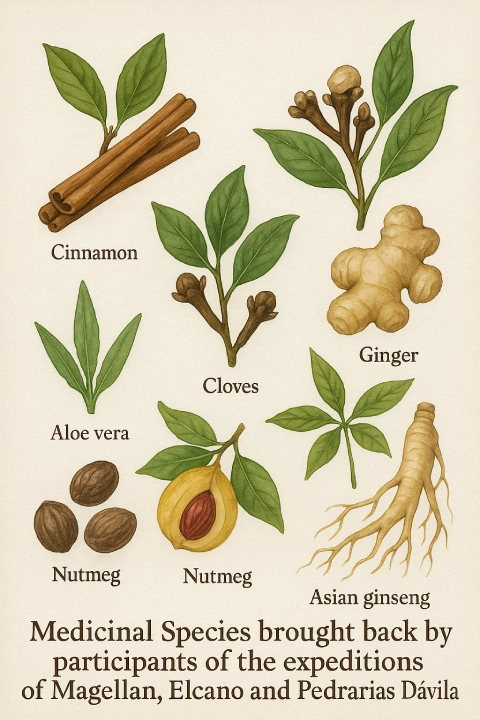
One of the most memorable anecdotes occurred when the fleet encountered the Patagonian giants. After an exchange of food and gifts, the crew ran out of preserved foods. Bernal concocted a powerful laxative infusion to prevent hoarding and relieve digestive ailments caused by poor rations. Scurvy, a brutal enemy on long sea voyages, devastated the fleet. Bernal turned to citrus peels, vinegar extracts and even fermented rice water to mitigate the effects of vitamin C deficiency. Beyond their survival, the expeditions had another mission: to bring back plants and spices with medicinal value. Among the treasures they documented or transported were ginger, cinnamon, cloves, aloe vera, nutmeg, and even Asian ginseng. In the case of Pedrarias Dávila’s expeditions to the Isthmus of Panama, special attention was given to native species like sarsaparilla (used for syphilis), and guaiac wood, which became known in Europe as a miraculous cure. The balsam of Peru, also called balsam of Tolu, was used both as an expectorant and to heal wounds. Bernal and his assistants took note of its application in indigenous medicine and brought samples back to Seville. These voyages laid the groundwork for the future of pharmaceutical botany. Apothecaries like Bernal were not just healers; they were early scientists, observers of human suffering, and collectors of botanical knowledge. It is documented that Bernal carried a small copper still and tools to distill oils and tinctures. Even in dire conditions, he managed to produce remedies from local herbs, adapting European techniques to the American environment.
Thanks to these men of science and conscience, much of what we now consider part of global medicine owes its roots to these exchanges. Apothecaries were cultural mediators as much as they were caregivers. Remembering Juan Bernal is to honor all those who, in silence, healed feverish foreheads on swaying decks, battled illness with dried herbs, and expanded our understanding of the medicinal world.